
#14 The Metal Behind the Missile
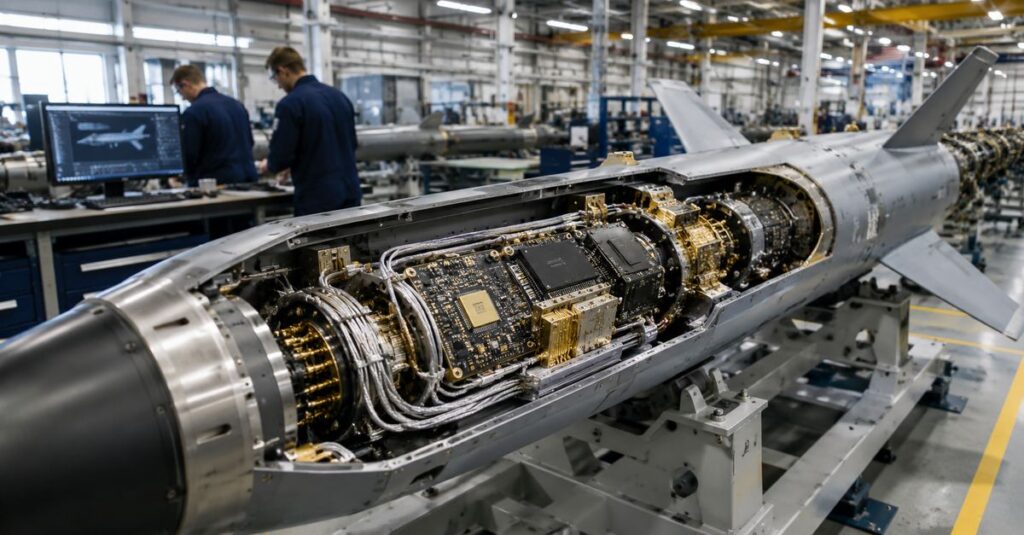
Modern warfare is fought on the battlefield, but it is won in the factory. Gold and silver reveal why. When historians write about wars, they usually begin with armies.
Battles, generals and political decisions dominate the narrative. Maps fill with arrows. Casualties are counted. Victories and defeats become fixed points in history.
The factories are often reduced to a footnote. Yet wars have always been fought twice. Once on the battlefield, and again hundreds of miles away inside steel mills, refineries, machine shops and mines. The first contest determines who wins today. The second determines who can still fight tomorrow. The battlefield consumes. Industry replaces. Every prolonged conflict eventually reaches the point where those two forces collide. Stockpiles shrink faster than production. Supply chains that once appeared limitless begin to fray. Governments discover that armies move only as fast as industry allows. The Second World War offered countless examples of this quiet arithmetic, but one stands apart.
In 1942, engineers working on the Manhattan Project requested copper for the enormous electromagnetic coils needed to separate uranium isotopes. Washington declined. Copper had already been committed elsewhere, flowing into ships, aircraft, communications equipment and ammunition destined for a world at war. The Treasury offered silver instead.